 little ummah cards
Hearing Arabic daily when no one speaks it
What listening to Arabic audio can do for a child when nobody at home speaks it, and what it can't do alone.
Plenty of families raising Muslim children don't speak Arabic at home, and that's the honest starting point here, not a problem to apologise for. A child can still grow up with Arabic in their ears every day. What that listening can and can't do on its own is worth being clear about before you build a routine around it.
What listening alone does well
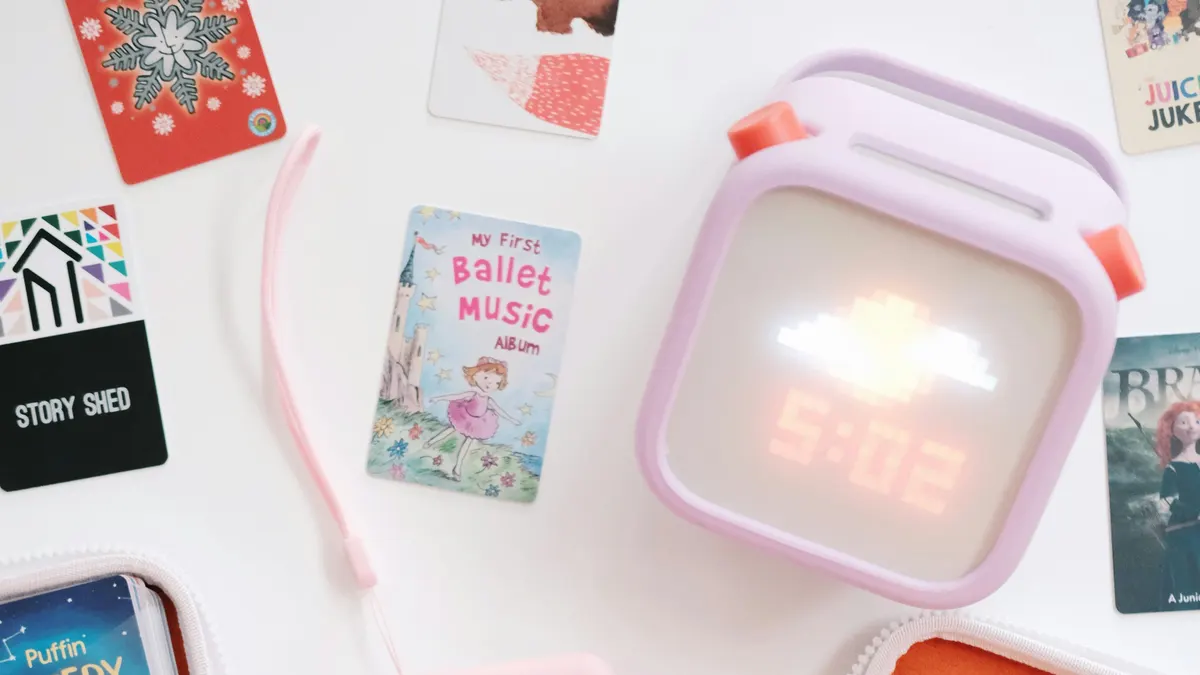
A child who hears Qur'an recited daily, even without understanding a word of it, is learning the sound of the language: its rhythm, its letters in their mouth eventually, the shape of a surah before they could ever read one. Children pick up pronunciation from exposure long before they pick up meaning, and a Yoto card playing during breakfast does more of that work than most parents expect from something so passive. The sounds that are hardest for an adult learner to pick up later, the ones with no real match in English, are often the easiest for a young child to copy, simply because they're hearing them every day rather than meeting them for the first time in a classroom.
It also makes the language familiar rather than foreign. A child who grows up hearing Arabic daily doesn't meet it later as a subject at a weekend class, arriving with no feel for how it sounds. It already sounds like home, which gives the actual learning somewhere softer to land. A teacher starting from scratch with a child who's never heard the language has a harder job than one starting with a child who can already repeat it back, even without knowing what any of it means yet.
What it can't do
Listening on its own won't teach a child to speak Arabic, and it won't teach meaning. A child can recite a surah beautifully by ear and have no idea what a single word of it means, which is a fine place to start but not where you'd want things to stop. At some point a child needs a teacher, a class, or a parent translating alongside the recitation, even a word here and there, for the sound to turn into understanding. Without that second step, the listening stays a habit rather than becoming a skill the child can use.
Listening is the easiest habit to build, and the one that costs the least effort from a parent who isn't fluent themselves. Treat it as the part that happens without you in the room, and look for the rest, a class, an app, a relative who can translate, separately. The two don't compete for the same time either, since a card can play during breakfast or the drive to school, while a class or a lesson with a relative needs a slot of its own.
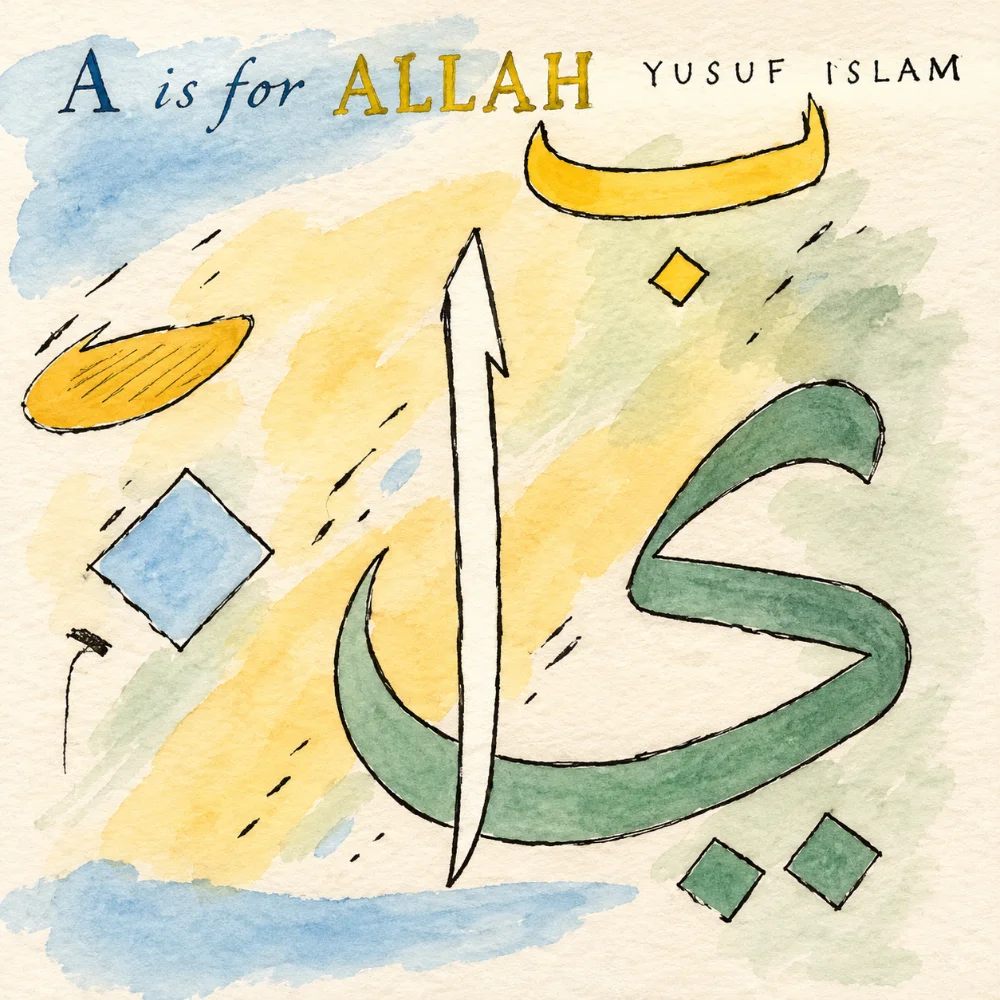
Two things on the site make a gentle start. A is for Allah by Yusuf Islam goes through the Arabic letters one Islamic word at a time, explained in English, so a child hears the letter and what it stands for together.
And Surah Al-Fatihah, recited by Maher Al Muaiqly with each ayah on its own track, is a good first surah to have playing at breakfast.
Everything here meets our standard, recitation from a known reciter or a qualified teacher chief among them. If you've found something worth adding, tell us.