 little ummah cards
Helping a child learn short surahs by listening
How young children learn their first short surahs by ear, one ayah at a time, and how to set up listening at home so it helps them along.
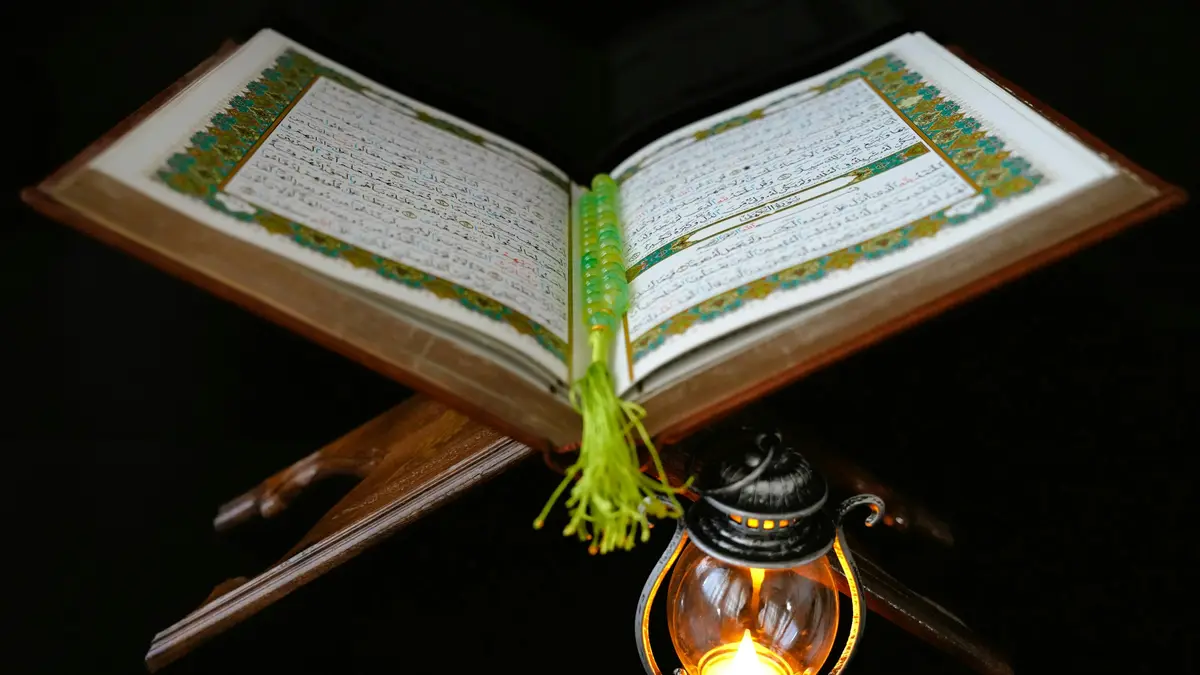
Plenty of children know their first surah before they can read a single Arabic letter. They learn it the way they pick up anything they hear every day: often enough that one morning it's simply there, and they start saying it along with you. Listening can do a lot of that work, if it's set up with a little thought.
Why listening helps
A young child copies what they hear, closely. That's what makes listening so useful for Qur'an, and it's also why it's worth choosing the recording carefully. Pick one recitation of the surah your child is learning and keep to it. A different reciter brings a different pace and melody, and a small child learning by ear can get muddled moving between them.
Short and often works better than long and occasional. A surah heard a few times every day, at breakfast or in the car or at bedtime, settles in faster than a longer session once a week. The short surahs at the end of the Qur'an suit this well, and many families start there.
One ayah at a time
Hearing the whole surah gives a child its shape. Learning it usually goes better in smaller pieces. Play the first ayah a few times, let your child try it, and only move on once they can say it with you. Then join the first two together, and so on to the end.
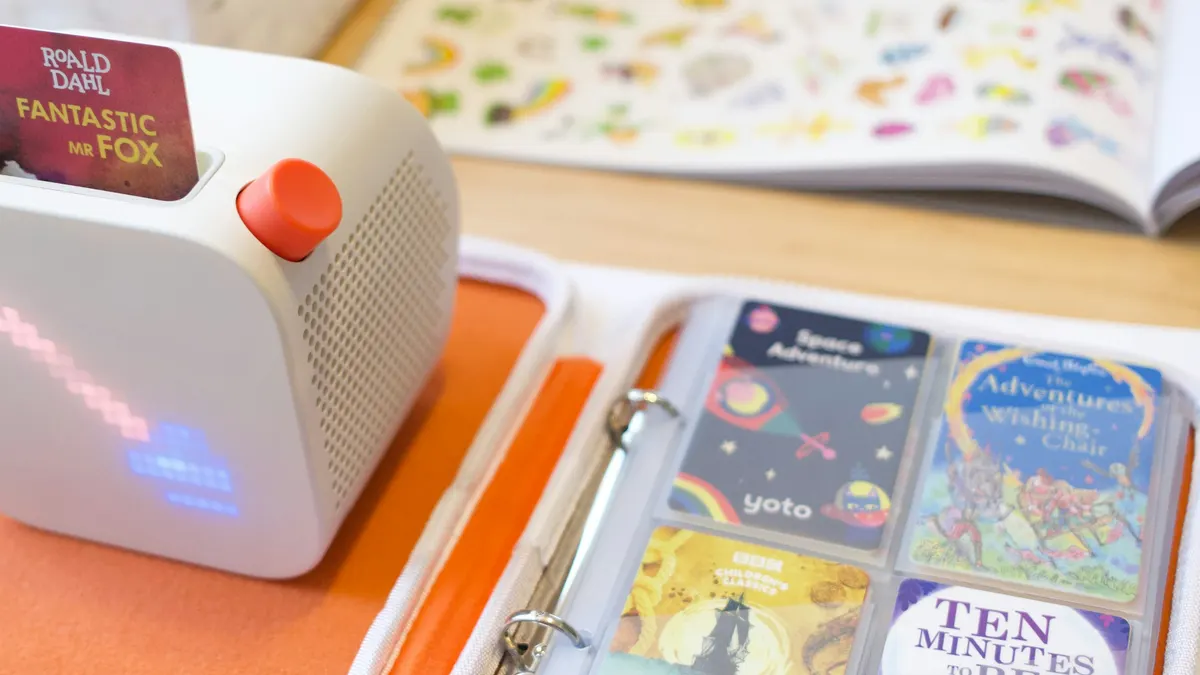
That's easier when each ayah is its own track. Surah Al-Fatihah, recited by Maher Al Muaiqly, is on the site with every ayah as a separate track, the whole surah running to just over half a minute. Your child can press play on the ayah they're working on, hear it again, and move to the next one when they're ready. If you'd rather it keeps going, the repeat setting in the Yoto app starts the card again from the beginning each time it ends.
What listening can't do alone
A child learning by ear can pick up small mistakes, especially in sounds that have no match in English, and nobody will notice unless someone listens back. So listening works best next to a person who hears your child recite: you, if you read, or a teacher or relative who does. Ask them to listen for the letters and the stretched sounds. Correcting early is much easier than undoing a habit later. We wrote more about this split in hearing Arabic daily when no one speaks it.
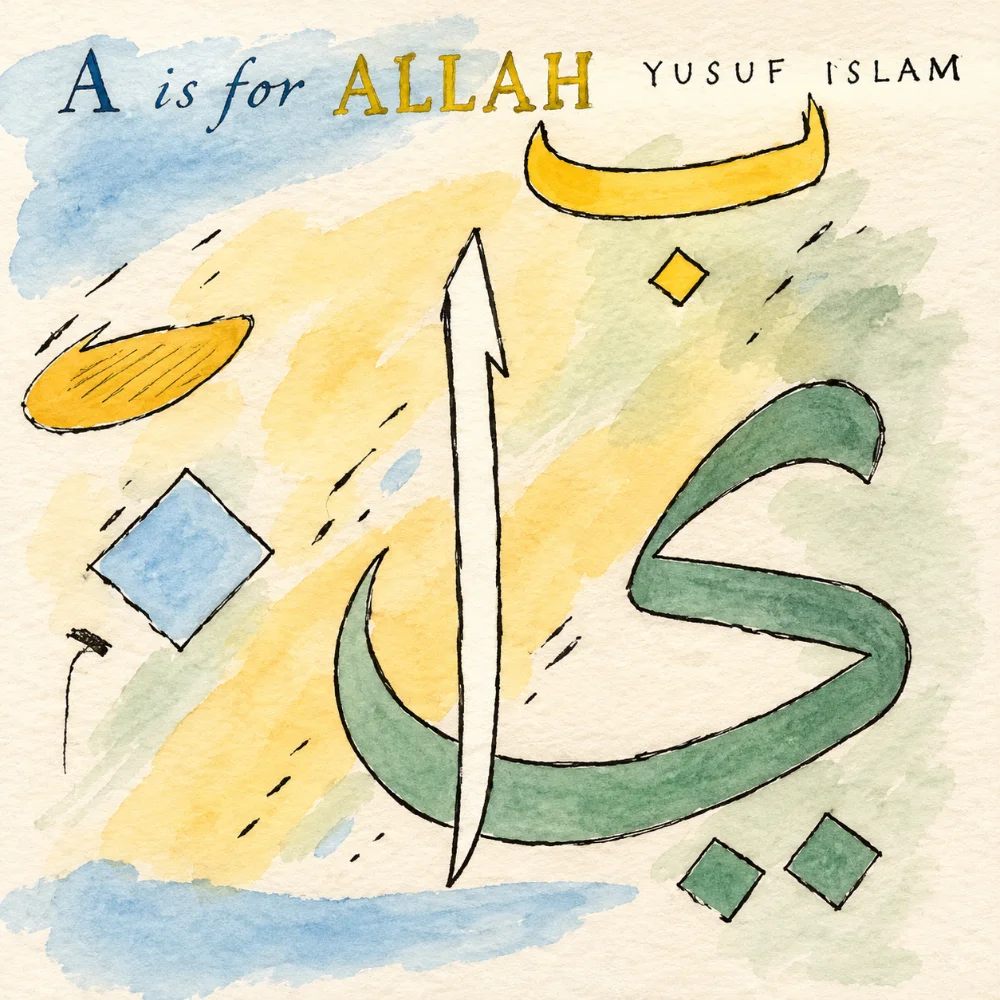
When your child is ready to start on the letters themselves, A is for Allah by Yusuf Islam goes through the first letters of the alphabet with an Islamic word for each, and it's listed for ages 3–6.
After Al-Fatihah
For the next surahs, a Make Your Own card works well, with one surah or one ayah to a track. Our guide to putting Qur'an on a Yoto card walks through choosing a recording and linking the card. Both cards above are checked against our standard and go into your Yoto library in one tap, free. We add recitation to Qur'an as we check it, so look there first before you make your own.