 little ummah cards
Why adab lands better as a story
Why a story about good manners sticks with a young child better than being told the rule outright.
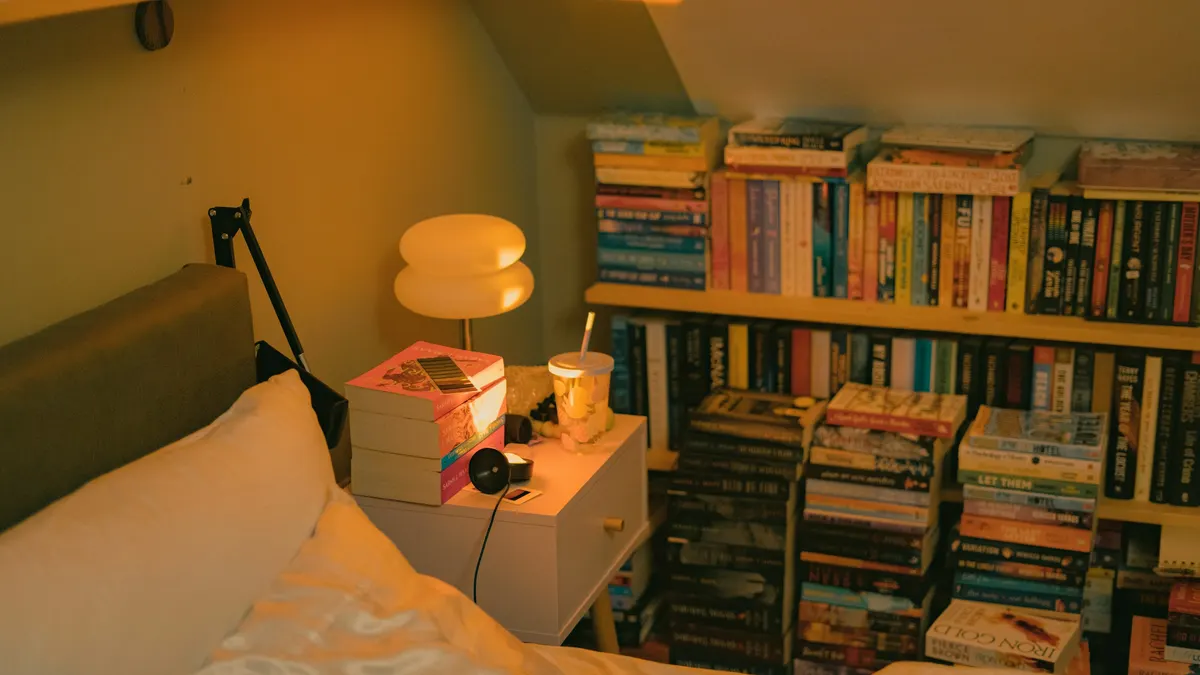
Tell a four-year-old to share nicely and you'll get a nod and the same behaviour five minutes later. Tell them a story about a child who shared and what happened next, and the same four-year-old will bring it up unprompted a week on, usually right when it's relevant. That gap is the whole case for teaching adab through stories instead of instruction, and it's worth taking seriously rather than putting down to a phase a child will grow out of on their own.
Why the rule alone doesn't stick
A direct instruction, "say salaam when you enter," asks a child to hold a rule in their head and apply it later, in a different moment, with no reminder attached. Young children aren't good at that kind of transfer yet. The rule and the moment it's needed in are too far apart, and by the time the moment arrives, the instruction from breakfast has usually gone quiet.
A story closes that gap. A child who heard a character forget to say salaam, and felt the small awkwardness of that scene, has something to reach for the next time they walk into a room. It isn't a rule they're applying. It's a moment they're recognising, and recognising a moment is a far easier thing for a young child to do than recalling a rule on command.
This is also why the same story can be told again and again without losing its point. A rule repeated too often starts to sound like nagging. A story a child already loves gets asked for again, and each time it's heard, the moment inside it gets a little more familiar, until it's the child reminding a younger sibling rather than the parent reminding either of them.
What to look for in manners audio
The adab stories worth choosing don't announce the lesson at the end, the way a fable adds a moral in its last line. The better ones let the behaviour and what comes of it speak for themselves, a character being patient and what that patience leads to, without a narrator stepping in to spell out the point. Children notice the spelling out, and it's usually the part they stop listening to first, the moment where the story stops being a story and starts sounding like a lesson again.
It's also worth checking whether the manners shown are ones a child actually faces: sharing, waiting their turn, being honest when it would be easier not to be. A grand moral test doesn't do much for a five-year-old deciding whether to give their sibling a turn on the swing. The smaller and more ordinary the situation in the story, the more likely a child is to meet its match the same day.
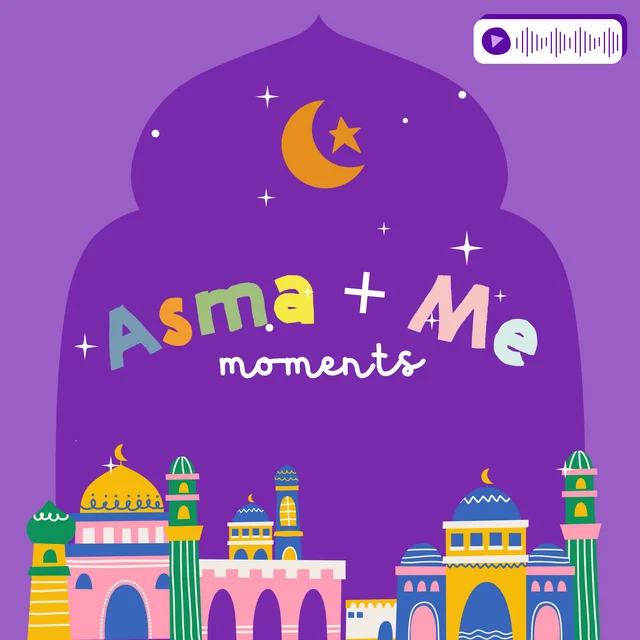
Asma+Me Moments is a good example of this kind of storytelling. Each episode is an ordinary scene, an Eid sleepover or a maths problem that won't come out right, tied to one of Allah's names.
Manners is one of the better-covered topics on the site so far, and there are more manners collections to look through. If your family has a favourite we haven't listed, tell us about it.