 little ummah cards
Islamic stories in Urdu for children, on a Yoto
Urdu audio stories about Allah's names for ages 3–6, and how a Yoto card helps a child hear Urdu and faith together at home.
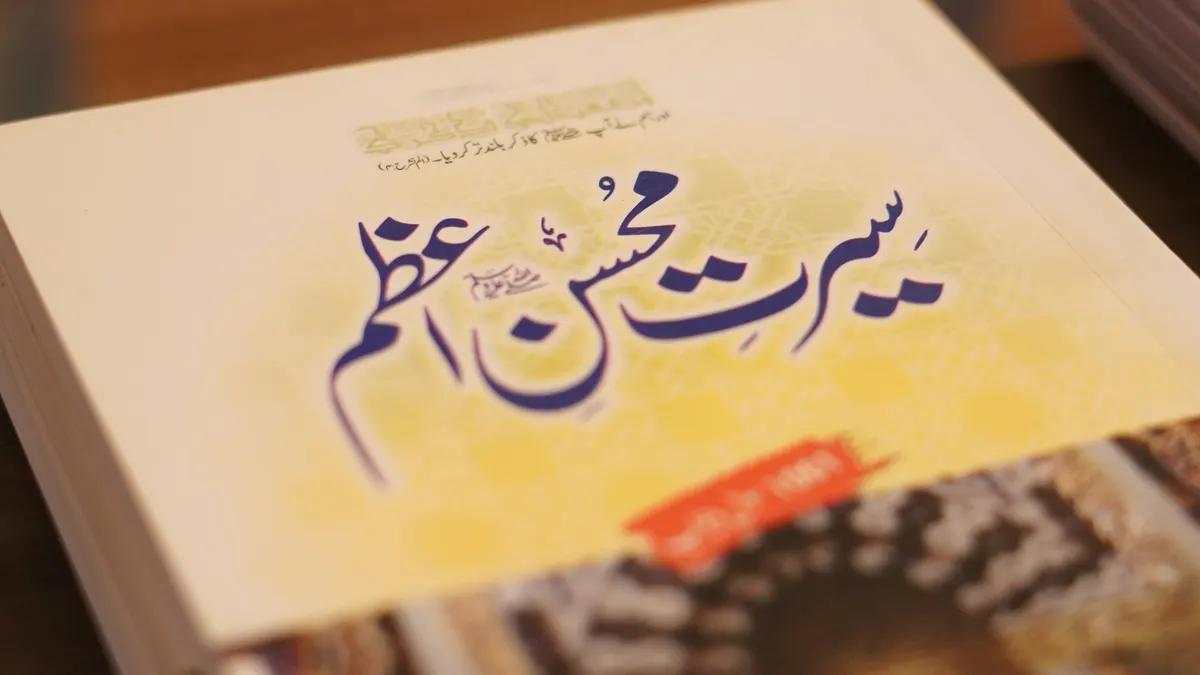
Plenty of families speak Urdu between the grown-ups and English with the children, and then notice the children answering in English even when they're spoken to in Urdu. Faith often goes the same way. The du'as at bedtime are in Arabic, the explanations come in whichever language a parent reaches for first, and in a lot of homes that ends up being English.
An Urdu story on a Yoto card won't change that by itself. What it does is give a child something in Urdu that they choose to listen to, without a parent having to do all the talking.
Why faith stories suit Urdu
A child who hears about Allah in Urdu at their nani's house and in English at school can end up with two halves that don't quite meet. A story in Urdu about who Allah is gives the Urdu half something to hold on to. When a grandparent later talks about Allah being Ar-Rahman, the child has heard that before, in that language, in a story they liked.
Stories also carry a language better than lessons do. A child will sit through words they don't fully understand when they want to know what happens next, and they'll ask for the same episode again. Each time round, a few more of those words become ones they know.
What's on the Urdu Madrasa card
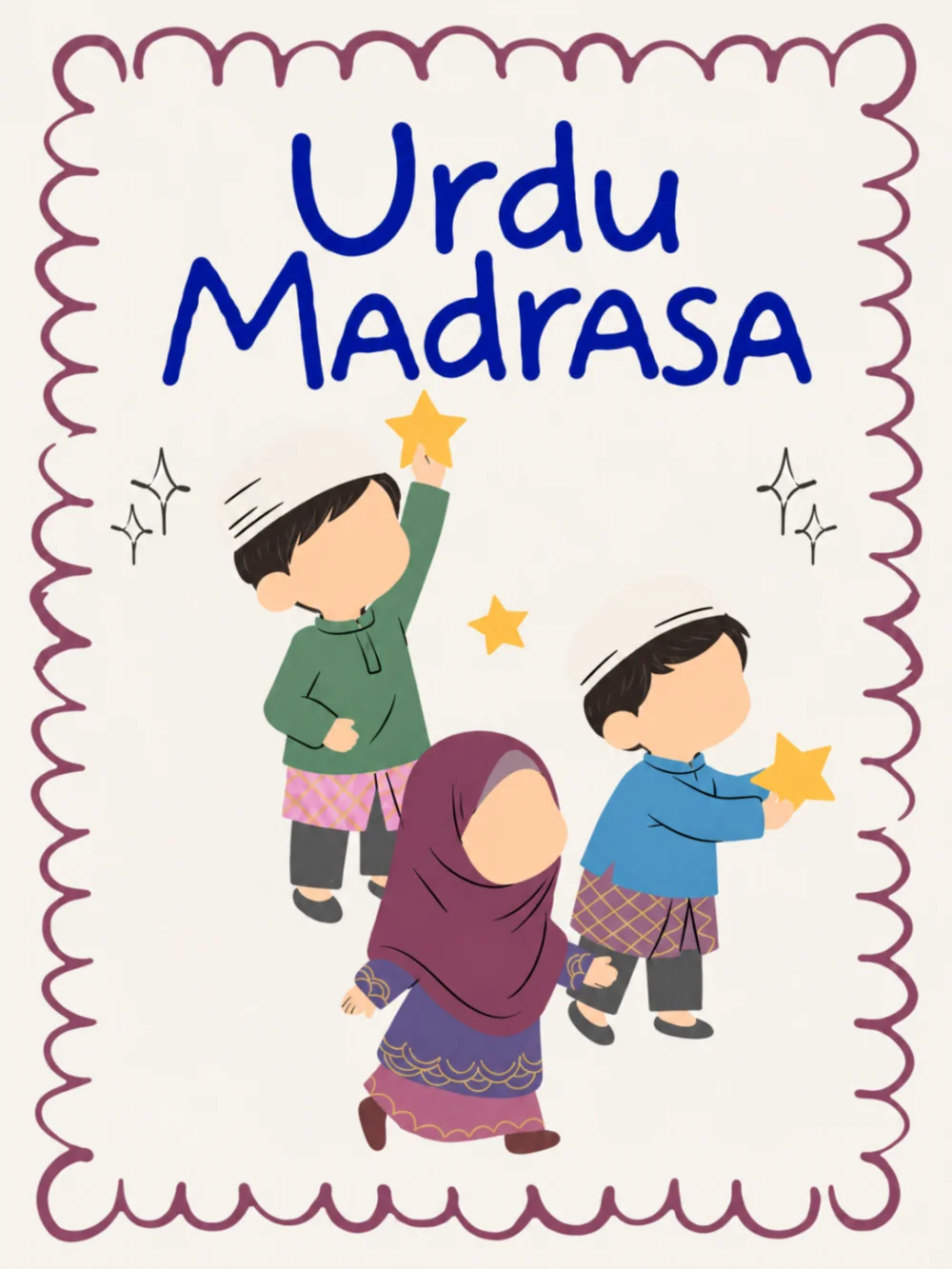
Urdu Madrasa makes Urdu stories for children, and the pack we list has three episodes, each about one of Allah's names: Ar-Rahman, As-Samee and Al-Ghafoor. The track titles are in English and the stories are told in Urdu. Together they run to a little over 23 minutes, and it's listed for ages 3–6. We've checked it against our standard, and it goes into your Yoto library in one tap, free.
The Ar-Rahman episode is the longest, at nearly 14 minutes. If your child is new to listening in Urdu, the other two, at around five minutes each, are an easier place to start.
Pairing it with English
If your child mostly listens in English, it can help to put the Urdu card next to an English one on the same idea. Asma+Me Moments also tells stories built around Allah's names, in English. They're different names from the Urdu Madrasa episodes, so between the two a child meets six of them, in both of the languages they hear at home.
Listening keeps a child's ear for Urdu. Speaking it comes from being spoken to: by you, by grandparents on the phone, by whoever in the family is happy to answer an Urdu question in Urdu. We wrote more about that split in hearing Arabic daily when no one speaks it, and most of it holds for Urdu too. The card does the part that happens when you're not in the room.
Everything we list in Urdu is on our Urdu page. There's one pack so far, and if you know a vocals-only Urdu card we're missing, tell us about it.